RightDataUSA

Demographics and Elections Commentary tagged with Michigan

11/17/2025: Senate Prospects For 2026: Part One, The Flippables [RightDataUSA]

We have already examined the outlook for 2026 in the aftermath of the 2025 elections. Most of that commentary focused on the U.S. House and how the results from the last disastrous midterm election (2018) might foreshadow the upcoming potentially disastrous midterm election. We spent little time on the Senate, but noted that although 2018 was a train wreck for Republicans over almost the entire ballot, there was one minor exception: Republicans actually gained 2 Senate seats in 2018 and with some luck it could have been as many as 6. Because it was only a net +2, most observers on the right were extremely disappointed. Yet holding onto the Senate at all in 2018 was an important accomplishment and an impressive one under the circumstances. It kept rabid Democrats at least partially at bay. Recall what Democrats did with their total control of the House, and imagine what would have occurred with them in charge of the Senate during the final two years of Trump's first term in the White House.

The 2018 Senate elections provide a history lesson: that it is possible to hold steady (or even improve) at the Senate level even while being decimated up and down the remainder of the election ballot, as happened to the GOP that year.

However the individual Senate skirmishes from 2018 -- unlike the ones from the House -- are not germane as far as predicting what will happen in 2026. All 435 House seats are up for election every two years, which makes recent past midterms at least somewhat comparable to future ones. Many of the House members from 2018 are still in office, even though the configuration of their districts may have changed, and most of those members will be running again next year.


It is not the same in the Senate, where an entirely different set of Senate seats from 2018 will be contested in 2026, and that makes specific comparisons to 2018 impossible. Members of the "Class of 2018" completed their six-year terms in 2024; it is the "Class of 2020" which is up next year. Only one incumbent Senator who was elected in 2018 -- Mississippi Republican Cindy Hyde-Smith -- will be on the ballot again in 2026. That's because her 2018 win took place in a special election for a 2-year term.

Unlike 2018, 2020 was not a good year at the Senate level for the GOP. They suffered a net loss of 3 seats, turning their 53-47 majority into a 50-50 tie which was broken by the newly-elected Democrat Vice President. The Republican majority was still intact (52-48) in November; GOP control wasn't actually forfeited until January of 2021 when Democrats won two runoff elections in Georgia. Republican incumbents had lost in two other states (Arizona, Colorado) in November but the GOP picked up Alabama.


Democrats tried to purchase a much better Senate result than merely +3 in 2020, spending ungodly amounts of money in losing efforts in states such as Alaska, Iowa, Kansas, Kentucky, Maine, Mississippi, Montana, North Carolina and South Carolina (outspending the victorious GOP candidate in every one of them). That was in addition to the ungodly amounts of money the Democrats spent in their winning efforts. According to OpenSecrets.org, Democrats in the 2020 general election spent over $1.1 BILLION dollars to acquire control of the Senate, an amount of money 60% higher than Republicans could come up with.

Campaign finance will be a recurring theme in the 2026 previews below, with Democrats just about 100% guaranteed to obtain more money than their Republican counterparts in every state where there is even the slightest chance that Democrats can compete -- -- unless the Democrats and their "ActBlue" money laundry are finally forced to obey the same campaign finance rules that Republicans have to live by.
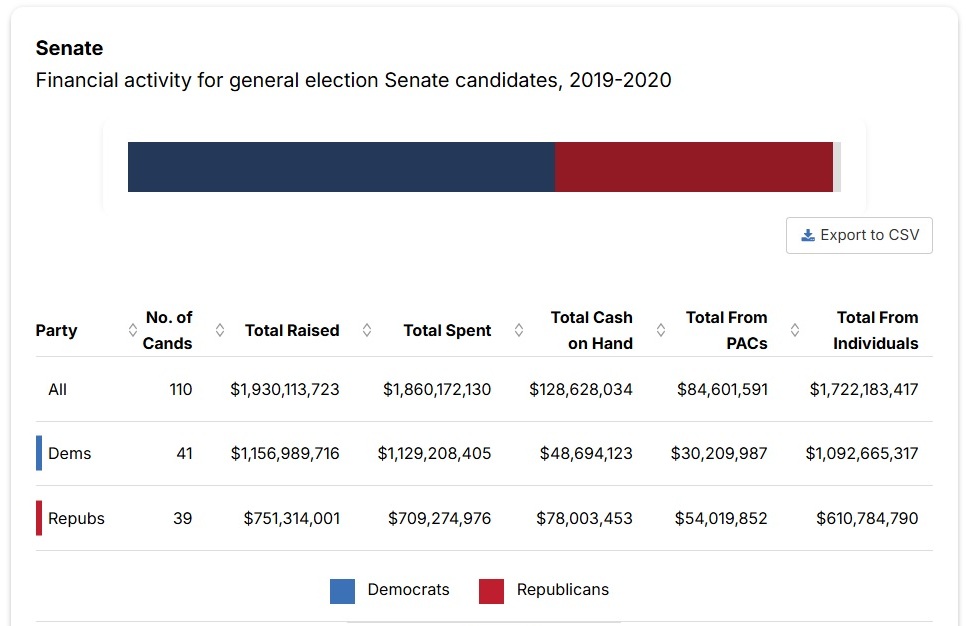

Source: OpenSecrets.org

The current Senate terrain is not as favorable as it was in 2018, when Democrats had to play defense in most of the contested states. In 2026 Republicans have 22 seats to defend (including special elections in Florida and Ohio) while Democrats are up in only 13 states. Of those 13, just 3 present any real opportunity for a GOP gain while there are a minimum of 5 juicy targets for Democrats this time around. All things considered, the playing field is clearly tilted towards the left here.
The top (really the only) probabilities for Republican pickups are in Georgia, Michigan and New Hampshire. Democrats have a fighting chance in Iowa, Maine, North Carolina, Ohio and Texas and perhaps a couple of others, or so they claim.

Any eventual morsel of good news for Republicans, no matter how meager that morsel is ("Generic polls favor Democrats only by 5 points now instead of 6!") will cause hopium addicts on the right to begin fantasizing about Senate pickups in states such as Minnesota, New Mexico and Virginia, which they believe are purple but are in fact completely safe for leftists absent some "red" tsunami. In Louisiana, much like in Alaska in 2022, a RINO (Bill Cassidy) currently holds the seat but might be ejected by a true Republican in the primary. That wouldn't count as a pickup, but it would amount to the same thing and would bolster actual conservative representation in the Senate. It didn't happen in Alaska and probably won't in Louisiana either, but there is a chance.


Here are the 2026 Senate battleground states:
(in order of likelihood to flip, as things stand in November of 2025)


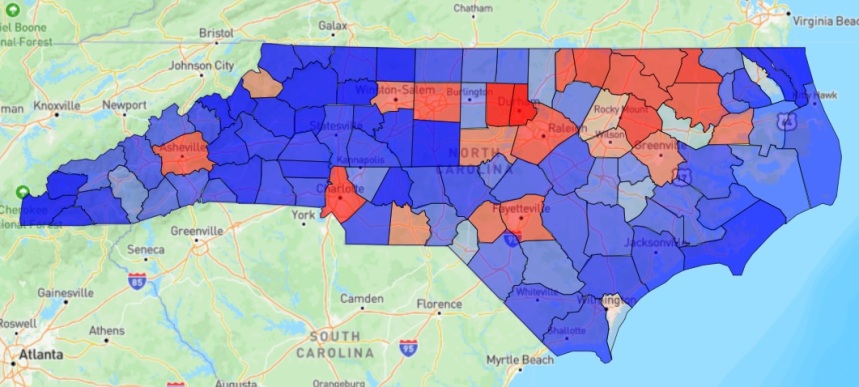
North Carolina Senate results from 2020

1. North Carolina:

Anti-Trump squish Thom Tillis announced months ago that he would not seek re-election to the Senate in 2026, beating GOP primary voters to the punch; Tillis decided to quit rather than being dumped in the primary. Not much more about Tillis needs to be written; we already did that here, describing Tillis' career and his increasingly RINO-ish behavior in 2025.

At the time Tillis made his retirement proclamation, Lara Trump was considered to be the best candidate to hold the NC Senate seat for the GOP. She probably still is the best candidate, but won't be running.

Numerous North Carolina congressmen were in position to be the fallback in the event that Trump opted out of the race. In what is likely to be a regrettable move (we'll find out in about a year), Republican National Committee (RNC) chairman Michael Whatley entered the NC Senate race shortly after Lara Trump passed. Whatley, despite his general ineffectiveness as head of the RNC, quickly received Donald Trump's imperial blessing, which meant that all other viable candidates might as well step aside.


Liberal former congressman Wiley Nickel was the first to jump in on the Democrat side, but he was merely a placeholder until phony moderate ex-Governor Roy Cooper made his decision to go for the Senate. To nobody's surprise, Cooper declared his candidacy in late July and within hours received millions of dollars in possibly-legal campaign donations. The latest financial reports from the FEC show Cooper with nearly 8x the amount of cash as Whatley. Cooper will probably eventually raise and spend at least $100 million here; Whatley will never get close in that department.

Though out of office for nearly a year now, Cooper is still very popular in the Tarheel State -- at least with the liberal media, who never tire of reporting how popular Cooper is. For all his alleged popularity, Cooper's electoral record isn't very impressive in this closely-divided "purple" state. He was sufficiently well-liked to win 4 terms as state Attorney General, but his percentages as Governor were 49.0% in 2016 and 51.5% when being re-elected in 2020.

Cooper's first gubernatorial win was aided by hysteria over the so-called "Bathroom Bill" which was passed by the Republican-controlled North Carolina legislature and signed by Republican Governor Pat McCrory in 2016. A bathroom bill is legislation that protects the safety and privacy of girls and women in public bathrooms against intrusion by boys or men who claim (or pretend) to be transgendered. You can understand why Democrats would be indignant about something like that.

The liberal media concocted some figures purporting to show that the bill would cost North Carolina a hillion jillion dollars in lost revenue because woke companies (like PayPal and Adidas) and woke organizations (like the NCAA) would pull out of the state. The 2016 gubernatorial election turned on this single issue, with Cooper supporting the efforts of Organized Deviancy and McCrory supporting common sense. Common sense was defeated that November, 49.0% to 48.8% with a Libertarian spoiler taking enough votes from McCrory to hand the win to the Democrat without a majority. The Republican legislature caved early in 2017 and repealed the bill.


Cooper's far-left stance on most issues is well-known to North Carolina voters despite the best efforts of the media. Republican Lt. Governor Dan Forest challenged Cooper in 2020, but lost by 4.5%. Forest was banking on voter disapproval of Cooper's authoritarian tactics during the COVID plandemic, but the voters weren't disapproving enough. Natural (or even laboratory-made) disasters seem to work in favor of Democrats in North Carolina despite that party's inept or ham-fisted approach to the problems; for example, the inept and even criminally negligent response to Hurricane Helene in 2024 -- Joe Biden's FEMA refusing to help people who had "Trump" signs in their yards (they did the same thing in Florida too), and local Democrats' relief efforts discriminating against Whites -- was supposed to be a boon for the GOP in that year's elections; Trump did win the state, but the most-affected areas in Western North Carolina actually moved to the left. Trump's win was a close one, and other Republicans on the ballot received no boost at all from the Democrats' mishandling of the hurricane aftermath.

Speaking of disasters, Whatley is likely to help fulfill the media's mission of making Cooper look more popular than ever. The Republican nominee will be grossly underfunded and largely uninspiring to the voters. Early polls are exactly as one might expect: Cooper with a lead but running under 50% for now. At least 10-15% of the electorate is still undecided, which is also what one might expect. This race is, and always has been, Cooper's to lose.

Another potential dire consequence is this: if Whatley loses convincingly next November, there are several Republican House incumbents in North Carolina who could go down with him because most GOP districts in the state are either in the tossup range or very close to it.
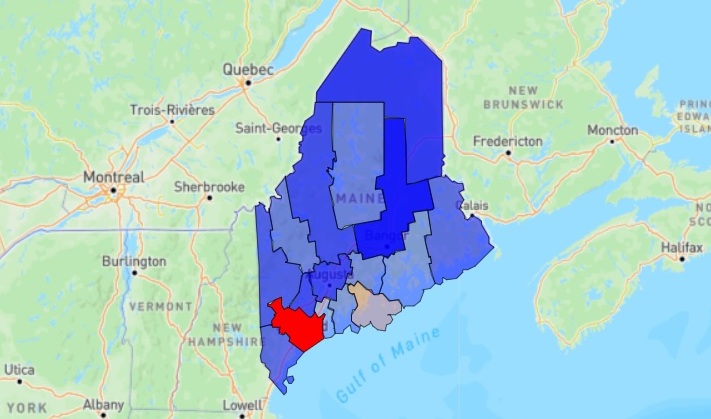

Maine Senate results from 2020

2. Maine:
The Maine Senate seat is the second most likely one to flip from being occupied by a Republican (such as she is) to one filled by a Democrat. Mega-RINO Susan Collins is currently in her fifth Senate term, and she is looking to make it 6 in 2026. Since Collins' last election in 2020, she has voted more often with Democrats than Republicans; she wasn't exactly a bargain before 2020 either. Collins is normally excused for her behavior because she represents Maine, and the GOP is hardly likely to do any better there.

Maine Republicans have little choice but to pin their hopes on Collins, because nobody who is more conservative would stand a chance in a statewide election, Paul LePage's fluke wins for Governor in 2010 and 2014 notwithstanding; the outcome of his 2022 quest for a non-consecutive third term (he got 42%) is more in line with Maine's preferences these days. It's possible that Collins won't do significantly better than 42% in 2026, but she's been counted out before. Notably in 2020 when Collins squeaked by with 51% against an ultra-liberal Democrat who raised over $75 million for the challenge (Collins barely got to $30 million). Collins received about 57,000 more votes in Maine in 2020 than Donald Trump did.

There will apparently be a two-way battle for the Democrat nomination between current term-limited Governor Janet "Butch" Mills and some guy who wants to be Maine's version of Pennsylvania Senator John Fetterman (before Fetterman began acting more sensibly and enraged the radical left): that guy would be alleged "working class hero" Graham Platner, who has described himself as a "communist" and "ANTIFA supersoldier" but denies being a "secret Nazi". We believe him. Whoever said it was a secret?

Mills ought to be the favorite in the Rat primary, but if she is it's not by much. One ludicrous poll had her down to Platner by 34 points; that poll must have been taken either on a college campus or in a media newsroom. The geriatric Mills (age 77) started her campaign by refusing to release her medical records, while Platner is suddenly raising millions of dollars from the type of people who think that the 2025 election results are a referendum in favor of killing Republicans. It's going to be quite a battle unless Mills bows out or Platner is dragged down by his past (and present). Democrat voters forgave the murderous racist in Virginia two weeks ago; Maine Democrats aren't likely to abandon any candidate no matter how much of a lunatic he may be -- as long as they think he can win next November.

Keep in mind that Maine uses Rigged Choice Voting (RCV), just like Alaska does. Imagine a 3-way race with Collins, Platner and some other leftist candidate who isn't violently nutzoid. Nobody gets to 50% initially so RCV kicks in and the comparatively moderate independent who finishes third is eliminated. Who gets his votes then?

We might not like the answer.


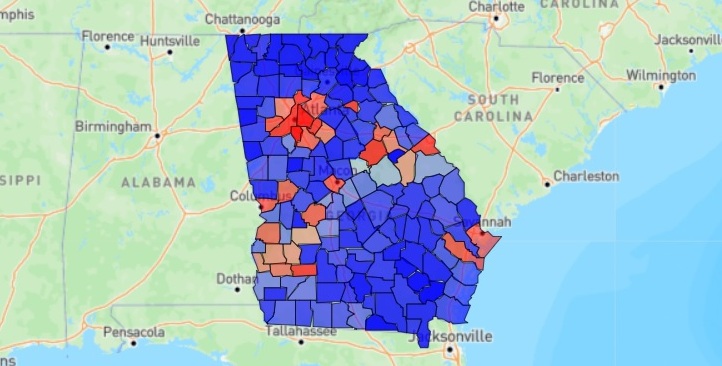
Georgia Senate results from 2020 runoff

3. Georgia:
The incumbent Democrat, Hollywood Jon Ossoff, will once again be backed by enormous amounts of out-of-state money, just as he was in 2017 (when running for a House seat) and in 2020 when he spent over $150 million to defeat GOP Senator David Perdue. Ossoff lost in November of 2020, but won the January, 2021 runoff which was required because Perdue came up 0.3% short of 50% in the initial election. In the wake of the "questionable" (to put it mildly) presidential election results in 2020, you may recall that some GOP folks in high places were spitefully calling for Republican voters to boycott the January runoff. We've never really been sure what that was meant to accomplish, but you have to admit it worked. Hello, Senator Ossoff.

Ossoff will not have to face a primary opponent in 2026. Democrats nearly always do that -- clearing the field in situations like this, which helps their candidate and frees up Democrat voters to pollute Republican primaries in states (like Georgia) where that is permitted. In the general election Ossoff will take on one of the three current GOP frontrunners: congressman Buddy Carter (85% lifetime conservative rating), congressman Mike Collins (96% conservative) or football coach Derek Dooley; Dooley is running well behind the two congressmen. As of September 30, Ossoff (3% conservative) already had raised over $50 million with much more to come. Georgia deserves better than a couple of liberal stooges in the Senate. Republican-leaning pollsters indicate a close race, but Ossoff maintains a small lead across the board -- so far.


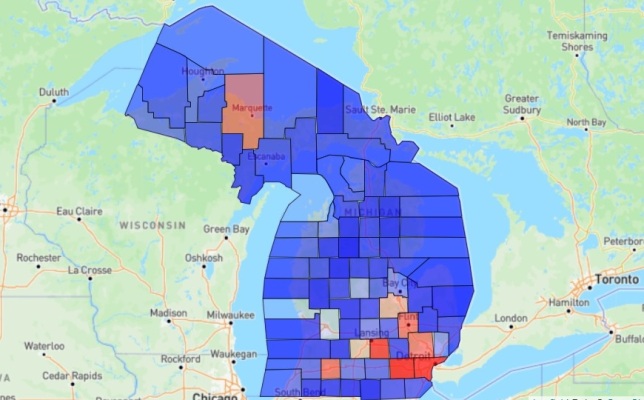
Michigan Senate results from 2020

4. Michigan:

Michigan occasionally votes Republican for President lately (albeit by very small amounts), as it did in 2016 and 2024. It wasn't too long ago (2010 and 2014) that Michigan elected a GOP Governor; OK, Biden-supporter/Trump-hater Rick Snyder was basically a Democrat regardless of the letter after his name, but he did get elected twice as a Republican. Now here's a trivia question: when was the last time Michigan elected a Republican U.S. Senator?

The answer is. . . 1994. The have been 9 Senate elections in Michigan over the subsequent 30+ years, and the GOP is 0-for-9. The most recent two have been close; the other 7 weren't. In 2026 ex-congressman Mike Rogers is going to make a second run at the Senate on the Republican side. We covered Rogers a year ago as he was making his first run, which turned out to be unsuccessful but could hardly have been closer. Rogers lost by less than half a percent in 2024 while running 1.3% behind Donald Trump. Rogers needed to hang onto those coattails a little bit tighter, but apparently he couldn't.

Rogers' Democrat opponent, as in 2024, will be a congresswoman. Last time it was Elissa Slotkin; this time it's Haley Stevens, a far-left Democrat who once worked for Hillary Clinton and Barack Obama. Since 2019 Stevens has represented a deteriorating congressional district in suburban Oakland County, near Detroit. Stevens was first elected in the anti-Trump landslide of 2018, when the 11th district was still politically borderline. After 2020 the district was pushed farther to the left, aided by continuing demographic degradation in Oakland County. The district is now very safe (about D+11) for whatever Democrat runs there.

When Rogers lost in 2024 his Democrat opponent had a massive financial advantage, outspending him $51 million to $13 million. That chapter of the story will be the same in 2026, though as of the end of September Rogers was very close to Stevens in $$$; but the major part of fundraising season is not yet underway. Stevens will also have her hands full before (probably) moving on to face Rogers, because she has two primary opponents who are as well-funded as she is. Democrats were able to bypass a contentious Senate primary in 2024 (Slotkin had only token opposition), but that won't be the case next year. Perhaps some Democrat divisiveness will give Rogers the little extra boost he needs to become Michigan's next Senator. We wouldn't rely on it.


5. New Hampshire:

Seventy-eight-year-old Democrat Senator Jeanne Shaheen is ending her political career in 2026 after 6 years as New Hampshire Governor followed by 18 years in the Senate. After her 3 terms in Concord her string of election wins was interrupted in 2002 when she ran against incumbent Senator Bob Smith. Only it turned out that Smith wasn't her #1 opponent that year after all -- Smith lost in the primary to congressman John E. Sununu who, despite being outspent by both Shaheen and Smith, won just over 50% of the vote in the 2002 Senate election. He was the youngest member of the Senate during his term.

Shaheen won the rematch 6 years later and held the Senate seat for two more terms after that. Sununu had been out of politics since his 2008 defeat, but he's back for another go at it.

Do not confuse this Sununu with his younger brother Chris, who is the former Governor of New Hampshire (2017-2024). Also do not confuse him with his father John H. Sununu, who was George H.W. Bush's Chief of Staff. That Sununu is the one who gave us John Souter as a Supreme Court justice and who convinced his employer that "read my lips, no new taxes" was somehow not a good idea and shouldn't be taken literally. Sununu's employer's reward for following that advice was a trip to the unemployment line after 1992.

Photo credit: John H. Sununu

Chris and his father are RINOs, if not outright Democrats; John E. Sununu is the conservative in the family. By "Sununu" standards, anyway. He's one of those oxymoronic "fiscal conservatives" now (i.e. anti-conservative on every other issue). There's no such thing as a fiscal conservative/social liberal. Because "social liberalism" is clearly anything but fiscally conservative when you look at how much those social programs cost.


Just as Sununu had to face an experienced senator (Bob Smith) in the GOP primary during his first run for that office in 2002, he will be facing another one in 2026 -- ex-Massachusetts Senator Scott Brown, who was a fluke winner in 2010 to replace the deceased Teddy Kennedy. Brown won 52% of the vote against Democrat Attorney General Martha Coakley. How repugnant do you have to be to lose to a Republican in Massachusetts? Coakley's done that twice. Brown started off as a moderate in the Senate, but even running hard to the left was not enough to save him in 2012. Brown did run well ahead of Mitt Romney in Massachusetts that year, and in both of his Senate races he showed an ability to run neck-and-neck against Democrats in terms of campaign cash.

Brown relocated to the north by 2014 and ran again for Senate in his new home state of New Hampshire. In that year's crowded GOP primary, one of the defeated candidates was good old (age 73) Bob Smith again. Brown came reasonably close to defeating Shaheen, but this time he was conclusively outspent and that was a major factor, as of course were the "carpetbagger" allegations though Brown was actually born in New Hampshire. Bob Smith, by the way, is still around and has endorsed Brown for 2026.

Instead of attacking each other too much (yet), both Sununu and Brown are training their artillery mainly on presumptive Democrat nominee Chris Pappas, who is currently the congressman from New Hampshire's 1st District. Pappas is in his fourth term and, like so many other liberal Democrats who seek higher office in states which are not solid "blue", has suddenly pretended to discover moderation after being nearly a 100% party-line liberal vote prior to 2025.

Sununu, who only jumped into the race recently, is the current favorite for the GOP nomination and matches up better against Pappas in general election polling. New Hampshire is about as closely divided a state as there is, but Democrats always seem to eke out victories and 2026 isn't likely to be any different. This race is definitely a toss-up, but there's a strong likelihood that the Republican will be the one getting tossed (out), albeit not by a very large amount.
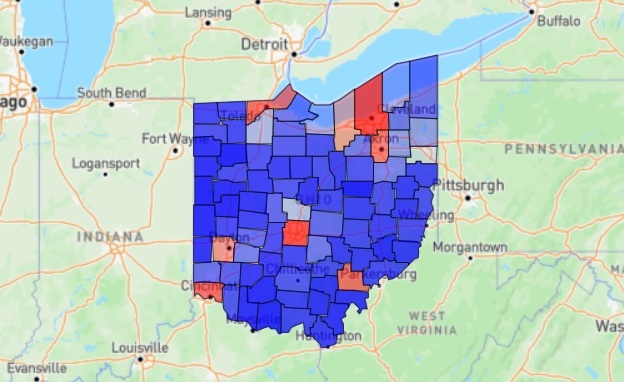

Ohio Senate results from 2024

6. Ohio:

Ohio's 2026 Senate contest is a special election to fill the seat for the remaining two years of J.D. Vance's term. When Vance advanced to the Vice Presidency, Ohio Lt. Governor Jon Husted was promoted to the Senate via an appointment from Governor Mike DeWine. Husted entered politics at an early age (25), losing a bid for state House in 1992. He eventually served in the state House for 4 terms (becoming Speaker in 2005), had one state Senate term, was elected Secretary of State for 8 years beginning in 2011 and was DeWine's Lieutenant from 2019 until joining the U.S. Senate. Husted, now 58, is still quite young by Senate standards. During his short time in D.C., Husted has been a reliable albeit low-profile GOP vote on every issue.

Husted's Democrat opponent next November will be 73-year-old ex-Senator Sherrod Brown, who will be making his third appearance on a ballot in the past 8 years. Brown, a career politician, took a path which was somewhat similar to that of Husted, with Brown initially being elected to the Ohio state House in 1974 at the age of 21. Also like Husted, Brown was Ohio Secretary of State for several years (1983-1992). Brown won an open U.S. House seat in the Cleveland suburbs in 1992, the seat being open because incumbent Democrat Edward Feighan was implicated in the House Bank scandal which enveloped several Democrats that year, and Feighan chose to exit politics as a result.

Brown was a solidly liberal vote (lifetime ACU rating: 6% conservative) but began faking to the center in 2006 in preparation for his first Senate race. Brown defeated incumbent Senator Mike DeWine in that anti-Republican year, immediately resumed his ultra-liberal positions upon taking office in 2007, and was easily re-elected in 2012. Brown's past history of domestic (and other) violence was used against him as Brown was seeking a third Senate term in 2018. However Brown, with the assistance of his allies in the liberal media -- and a massive advantage in fundraising -- was able to shrug that off and score another relatively easy win. Those on the right expected a better outcome since Ohio had suddenly become (or so they thought) a "solid red" state now that it had voted convincingly for Donald Trump in 2016.


Brown's luck -- but not his money -- finally ran out in 2024. Brown and the Democrat Money Machine spent over $100 million to repurchase his Senate seat, but Republican Bernie Moreno was able to ride Trump's coattails to a 3.6% win after trailing in all polls until October. Moreno, though outspent 4:1 and overwhelmed by Brown's advertising presence in all types of media, won every Ohio county except the urban ones, one suburban county (Lorain) near Cleveland, and the academic wasteland of Athens County (University of Ohio). Moreno prevailed by over 200,000 votes in all.

With Ohio Democrats having nowhere else to turn in 2026 -- ex-congressman Tim Ryan declined and so did a couple of ghetto congresswomen -- Brown was tabbed to try to regain the Senate seat he occupied as recently as a few months ago. Ryan had run for the Senate in 2022 against Vance and suffered a humiliating loss despite having the usual astronomical cash and media advantages which accrue to Democrats even in GOP states.


It's not quite accurate to say that Ohio Democrats had nobody else willing and (financially) able to oppose Jon Husted. A Cleveland-area millionaire Democrat named Fred Ode jumped into the Democrat primary back in August and prepared to invest $5 million of his own money to show he was serious. Ode entered the Democrat primary because he feels that "old-school" Democrats like Sherrod Brown are not filled with sufficient hatred of Donald Trump and all other Republicans. For that reason, Ode believed that someone like Brown was unlikely to win against Husted next year. Ode definitely has a point about hatred being the ultimate motivator for Democrat voters (or have we already forgotten the election results from earlier this month?).

However just a few days ago Ode suddenly and mysteriously aborted his campaign which was still in its first trimester. Clearly angry (apparently as usual for him), Ode still did not give a reason. Perhaps Ode made his decision after finding a decapitated horse's head in his bed one morning? The Democrat establishment is every bit as capable of hatred and violence as the insurgents from the far left. Radicalism may work well for Democrats in New York City and California and (soon) Maine or even Texas -- and don't forget Virginia now -- but not necessarily in middle-America, apple-pie Ohio. Democrat leaders feel that their chances in Ohio are much better with Brown than with Ode or someone like him.


For 2026, early polls showed Husted moderately ahead of Brown but recent Democrat-leaning polls have it pretty much a tie. Ohio, along with Maine and North Carolina, could flip from R to D next year and result in a 50-50 tie for the Republicans in the Senate if those losses are not offset elsewhere. Any additional Republican losses in the Senate would hand control to Democrats. With the Senate almost within their grasp, Democrat billionaires will be tossing around campaign cash like never before, and things like a Republican being outspent only by a margin of 4:1 will seem quaint.
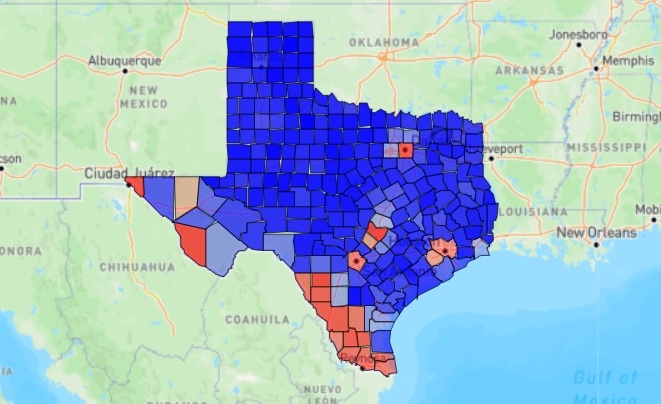

Texas Senate results from 2020

7. Texas:

The 2026 Senate race in Texas will feature spirited primaries on both sides, which is not a common thing in recent years. While it's true that Republicans often conduct a no-holds-barred donnybrook on their side (costing a considerable amount in money, and in hard feelings afterwards), Democrats regularly attempt to whittle down the number of candidates in any statewide election, whether for the benefit of a Democrat incumbent -- especially a vulnerable one -- or to anoint a "chosen one" to be their standard-bearer without interference from pesky voters. They even take that approach for presidential elections sometimes. There are several smart reasons why Democrats do this:

  1. It avoids a bloody primary fight in which even the winner suffers potentially mortal wounds, and is therefore less effective in the general election because of those wounds.

  2. It saves money (not that Democrat campaign funds are ever scarce) which can be used to greater effect in the general election.

  3. With diminished reason to vote on the Democrat side in the primary, this tactic frees up Democrat voters to sabotage Republican primaries by participating in those, in order to try to select the weakest possible GOP opponent. Even so-called closed primary states are not immune to this.


On the GOP side in Texas in 2026, we'll have incumbent senator John Cornyn vs. state Attorney General Ken Paxton vs. congressman Wesley Hunt. On the left, we'll have ex-congressman Collin Allred (back for a second try at higher office) vs. state House member Holy James Talarico. A late addition to the tag team could be congresswoman Jasmine Crockett, the self-appointed moral voice of the shrieking, hysterical (but dominant) wing of the Democrat party, and darling of the radical-left media. She believes herself to be the Texas version of AOC, and presumably considers that designation a complement.

Crockett already has raised at least $6.5 million (which is more than Talarico or Allred have done), and that's far more money than necessary for her to run in some little House district which is rated at least D+10 and will have no viable GOP alternative. It certainly looks like she's running for the Senate, but we'll have to wait to find out for sure. Queen Latifah Crockett has declared that she will make her solemn pronouncement at the filing deadline, which is December 8.

What reason would there be for her to not run for Senate? Aside from avoiding the risk of losing in the Senate primary, Crockett may realize that another easy House win in her district -- combined with the reasonable likelihood of Democrats taking control of the House after 2026 -- would give her a position of greater power and perhaps a juicy committee chairmanship. Worst-case scenario for Crockett is that she loses the Senate primary, is out of Congress starting in 2027, but then is hired by "The View", which obviously can never have enough shrill, unattractive women on its panel.


Photo credit: splinter.com

Talarico describes himself as a deeply religious Christian, but is a phony who spouts that "Jesus-was-a-liberal" bullshit a la the self-righteous "He Gets Us" television ad campaign, which you may have seen. Picture Talarico as a combination of Bernie Sanders and Jimmy Swaggart (apologies to Swaggart). Talarico the "True Christian" adamantly opposed displaying the Ten Commandments in Texas schools, preferring that those institutions remain atheistic and free from anything which might accidentally encourage good moral values. He represents an ultra-liberal (D+26) Austin district in the state House, so Talarico's views are surely considered to be mainstream by his constituents but most of the rest of the state of Texas would disagree. Talarico is a one-trick pony, wearing his version of far-left Christianity on his sleeve at all times and using it to explain all of his immoral, pro-abortion, pro-crime and other radical votes in the legislature. He surely believes he can "out-liberal" and "out-hate" Crockett and Allred, but he's got his work cut out for him in those departments.

Colin Allred we already know about (click here for more info) from his 2024 Senate attempt. He is a former Dallas-area congressman who was first elected in Congressional District 32 in 2018 when Dallas County swung hard-left in elections that year. The Texas GOP did him a "solid" in 2022 by extending his district up into left-trending Plano (there is an ongoing massive influx of Muslims and Hindus into southern Collin County) and down into ghetto Balch Springs. Previously CD-32 was a D+1 district but became safely D+13 after the new leftist areas were added. Republican redistricters did this favor not so much for Allred but for themselves, sacrificing that district so that adjacent ones like CD-3, CD-5 and CD-24 would be safer for Republicans. When Allred left the House in 2024 to run for the Senate against Ted Cruz, the GOP didn't waste any resources trying to reclaim CD-32. But Allred wasted $94 million in his attempt to acquire a seat in the Senate.


Senator Cornyn is a squish but he is always a well-funded one. The 73-year-old has been in the Senate since 2003. He compiled a conservative voting record during his first two terms, but now has become so unreliable (i.e. "moderate") that he was actually eligible to apply for the job of Senate Majority Leader after Mitch McConnell stepped aside. No true conservatives need apply for that position, which was won by John Thune in a November, 2024 secret ballot of GOP senators. The outcome was said to be close. Cornyn has been in a panic throughout 2025, awkwardly trying to appear conservative (at least through next March's primary), furiously raising money and becoming more popular with the media as he and his allies toss allegations at his closest challenger, Ken Paxton.
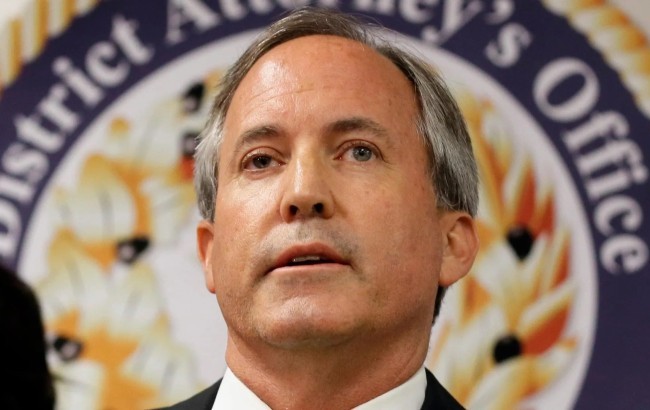

This is nothing new for Ken Paxton. The former state legislator was first elected as Texas Attorney General in 2014, succeeding Greg Abbott in that office as Abbott stepped up to become Governor. The solidly-conservative Paxton quickly showed that he was (and still is) one of the most effective A.G.'s in the entire country. However he is much too effective to suit the RINOs who perpetually have control of the Texas GOP and the Texas state House; Democrats loathe him even more than RINOs do.
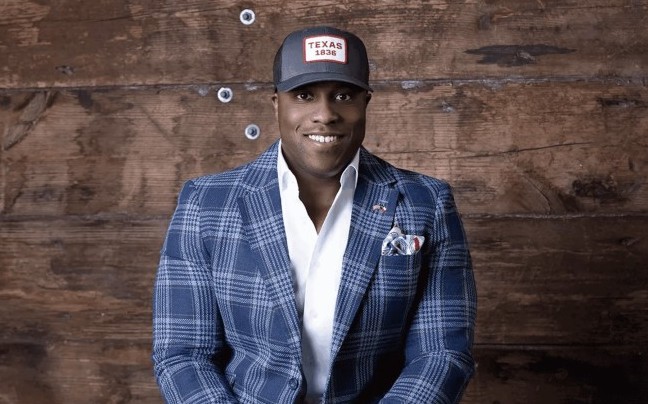
The GOP establishment failed to stop Paxton from being elected to a third term in 2022 although they recruited a clueless geriatric congressman (Louie Gohmert) along with Land Commissioner George P. Bush, who is the son of former Florida Governor and momentary (2016) presidential candidate Jeb! Bush. The plan in 2022 was that RINO Bush and Clueless Gohmert and one other hopeless candidate would combine to steal enough primary votes to force Paxton into a runoff where he would either be defeated or severely damaged. The establishment strategy worked, up to a point.

Paxton dominated the runoff against Georgie P. and then won by nearly 10 points in November against the Democrat; all Texas statewide Republican candidates did better than expected in 2022, with Paxton having the closest race of any of them and it still wasn't very close. Maybe it was the "Beto Effect", with Beto the Bozo (D) helpfully running statewide again, and this time being demolished by Abbott, 55%-44%.

Having failed in their 2022 assignment, Texas RINOs led by state House Speaker Dade Phelan and Rep. Andrew Murr impeached Paxton in 2023. Other RINOs joined the Phelan-Murr witch hunt, and Paxton ended up on the wrong end of a 121-23 vote in the House; 60 of those 121 votes for impeachment came from "Republicans". However the Texas state Senate, which is not RINO-controlled, was tasked with completing the impeachment process. During the Senate hearings, one witness who accused Paxton admitted he actually had "no evidence" whatsoever of wrongdoing. Another witness conceded that the claims of malfeasance he made against Paxton were about things he "didn't know whether [they] were true or not", but he regurgitated them anyway. No credible evidence was presented at all. Mere accusations against a Republican are normally sufficient for conviction, but the Senate wasn't buying it this time. In September of 2023 Paxton was acquitted of all charges.

With his enemies living in mortal terror of Paxton becoming a U.S. Senator, the smear campaign against him has ramped up again in 2025 since he announced his run against Cornyn in April. The smear campaign seems to be having an effect, judging from the polls. Paxton has only a slight lead over the unpopular GOP incumbent, Cornyn, and is only neck-and-neck with Allred in hypothetical general election polls. Our opinion is that Paxton is so good at what he is currently doing (you can tell by the amount of hate he receives), that we'd be much better off with him in a fourth term as Texas Attorney General rather than a first term as a U.S. Senator.


Photo credit: Texas Scorecard

As noted above, the GOP primary is not just a 2-way race anymore. In October, congressman Wesley Hunt announced that he would abandon his safe (R+10) district in the suburban Houston area and join the Senate race. The 44-year-old Hunt has a fine military background, graduating from West Point in 2004, serving 8 years in the U.S. Army before earning 3 Masters' Degrees, and then entering politics. Hunt's first bid for Congress came in 2020 in the deteriorating 7th District and was unsuccessful though he made a solid showing (47.5%) under difficult circumstances. When the new 38th District was created in 2022 in approximately the same area, Hunt won a majority in a crowded 10-way Republican primary and then easily sealed the deal in November. Hunt was re-elected in 2024 with only token opposition, and has been a reliable conservative vote in the House. He currently trails his primary opponents in fundraising (and is way behind the wealthy Democrats) but he's only been in the race for about 6 weeks.
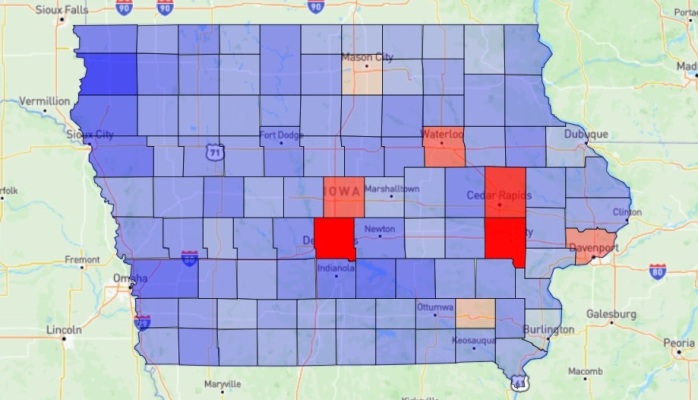
Although Texas remains a relentlessly "purpling" state due to demographic changes caused by invaders both domestic and foreign, most forecasters agree that -- as things stand now -- Republicans should be able to hold this Senate seat in 2026. We concur, although the GOP winning percentages are more likely to be in the same range as they were in Texas from 2016-2020 (~50-55%) than their slightly higher levels (sometimes 55-60%) from 2022-2024.


Iowa Senate results from 2020

8. Iowa:

Moderate GOP incumbent Joni Ernst is calling it quits in the Hawkeye State after two Senate terms during which she moved gradually but perceptibly to the left. President Trump attempted to prevail upon Ernst to run one more time, but she declined and decided to proceed with her retirement (shades of 2018, egad!). Ernst, who is probably the only pig castrator currently serving in Congress, has been described as a "fiscal conservative". That's far more letters than are necessary to spell "RINO".

The supposed Democrat heavyweight in Iowa -- i.e. a Democrat who can actually get elected -- is state auditor Rob Sand. But he's running for Governor in 2026, not for the Senate, and he's not some electoral wizard anyway. Sand won in the hyper-Democrat year of 2018 with 51% of the vote and held on by his fingernails (50.1%) in 2022 after outspending his Republican opponent by a mere 40:1 ratio.

Ernst's withdrawal is a golden opportunity for the GOP to find a true conservative as a replacement. Or at least it would be, if they cared to try. Instead, squishy congresswoman Ashley Hinson is the clear favorite among Republicans. Not only would the Senate be an obvious step up for Hinson, but she may be figuring that getting elected statewide in Iowa could be less difficult than being re-elected in her marginal congressional district. There's a possibility that Hinson will have primary opposition from Iowa state House Speaker Pat Grassley. That last name may sound familiar. Patrick may choose to try to join his 92-year-old father in the Senate, but for now he is not running. Several low-level Democrat candidates are amassing funds to take on Hinson, and although they may be low-profile their campaign accounts are growing daily. This race is not likely to be the slam-dunk that some might anticipate, but Hinson is favored at this time.

Tags:

2026 Senate North Carolina Maine Georgia Michigan New Hampshire Ohio Texas Iowa


9/14/2024: Senate's most vulnerable list still dominated by Democrats [Roll Call]


Photo credit: Tom Williams/CQ Roll Call

The caption at rollcall.com which accompanies the above photo describes Senator Bob Casey, Jr. (D-PA) and his wife as they "celebrate on the final night of the Democratic National Convention". That's one grim-looking "celebration". It seems they aren't feeling the "joy" which, as you surely know by now, is one of the laughable emotional buzzwords that has been assigned to Queen Kamala's campaign by the gaslighting liberal media. It looks more like the Caseys are feeling a bit of constipation, and there's some chance they may get that sensation again in November, whenever Pennsylvania finally decides to stop vote-counting.
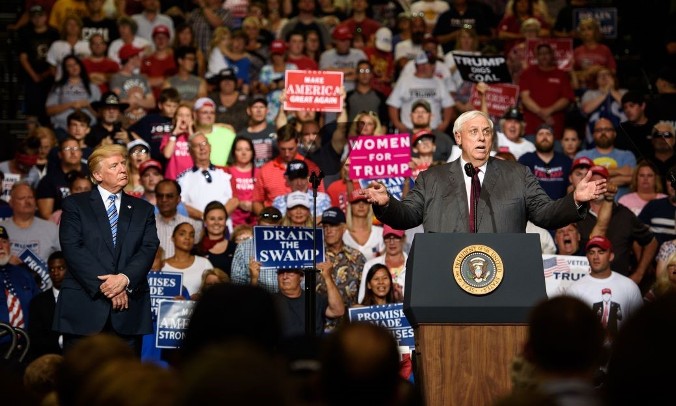
The article linked above was published on Thursday and ranges from the mundane to the ludicrous. It's mostly good news for Republicans, with (on the mundane side) the five Senate seats most likely to flip being ones currently held by Democrats. On the ludicrous side, they dredge up the highly unlikely possibility of upsets in dead-red (proper color usage) New Mexico and true-blue Nebraska.

We'll give our detailed analysis below, which provides much more depth than the cursory evaluations published by left-leaning Roll Call. What follows are the Senate races, in order of their likelihood to move from R to D based on the outcome of the 2024 elections. The current partisan breakdown of the Senate is 51-49, with Democrats in control. There are only 47 actual Democrats, but there are four so-called "independents" and every one of those four are highly dependent on the Democrat party. Even the ones who are retiring after 2024 (Joe Manchin, Kyrsten Sinema) are still showing their true colors and voting with the Democrats as often as ever.


Photo credit: CNN

1. West Virginia

West Virginia is going to be a Republican pickup, period, and at this point there's nothing pertinent left to say about the Mountain State's Senate race. Incumbent Democrat Joe Manchin ran away rather than see his perfect record of election victories shattered into pieces, and doddering moderate Governor Jim Justice will be the new senator from West Virginia in 2025. His voting record may not differ much from Manchin's, and Justice will be a reliable tool for Mitch McConnell or whichever one of his sock puppets becomes the party leader in the Senate next year.

West Virginia will finally have two elected GOP senators for the first time in nearly a century. It's a shame that this now heavily-Republican state still won't have any conservative senators.


Photo credit: Fox News

2. Montana

The Senate race in Montana is looking OK for now, but don't count those chickens yet; the Biden-Harris administration may quietly transport some Haitian "refugees" into Montana, and those chickens (and geese, cats, dogs, etc.) would become greatly endangered.

A few months ago the GOP establishment, or those who work on its behalf, used threats of violence against conservative Rep. Matt Rosendale and his family in order to intimidate him out of the Montana GOP Senate primary (and out of Congress altogether) just moments after he entered that race.

Moderate businessman Tim Sheehy thus was effectively unopposed for the Republican nomination to take on three-term liberal Democrat Jon Tester. Tester has never been truly popular with the Montana electorate -- he's cleared 50% just once in three tries, and even that one was by a mere 0.3% -- but he is adept at campaigning as something other than the ultra-liberal that he is, he has the state's major media outlets thoroughly on his side, and he has benefited in the past by the presence of Libertarian candidates who suck votes away from the Republican. The last time Tester ran (2018) the Libertarian saw that he was being used as a pawn for Democrat dirty tricks, and he withdrew from the race and endorsed the Republican. But since he exited only one week before the election, it had little effect aside from highlighting the dirtiness of the Democrats.

Montana is far from the monolithically-Republican state that some may think it is. It almost never votes Democrat for President (just once since 1968, and that was only because of the Perot Factor in 1992), but Democrats have won 9 of the last 12 elections for Senator or Governor. One of Montana's two House districts is somewhat marginal; the other is solid GOP.


Photo credit: AP News

At long last it appears that Tester's appeal has diminished to the point where he is in serious trouble. He may be in trouble in the polls, where surveys lately show Sheehy ahead by about 5 points, but if money alone determined the election outcome Tester would be winning in a landslide. As of the latest FEC filings, Tester has spent over $33 million as opposed to just over $10 million for Sheehy. As we have mentioned here on numerous occasions, there's not a House district or Senate seat in the U.S. where Democrats can't outspend Republicans by incredible margins if they want to. This will be proven to be true in almost every single hotly-contested Senate and House race in 2024.
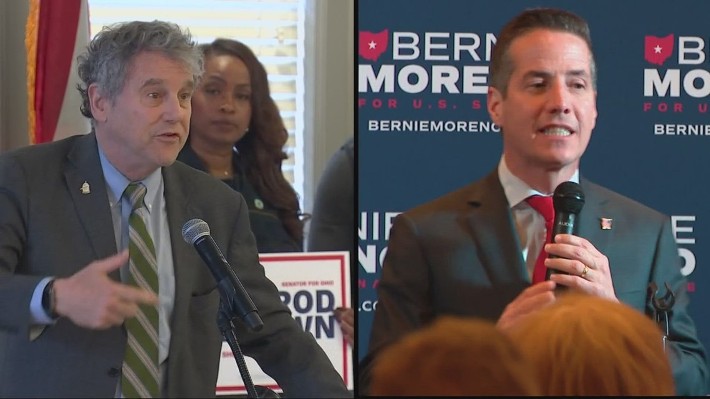
This race is not nearly over yet, and Sheehy's lead is hardly insurmountable. Even months-old data shows Tester with nearly $11 million still in the bank, and those funds will be used to saturate the airwaves and mailboxes of Montana with typical Democrat ads full of hate and lies about Sheehy (and lies about what a great senator Tester has been). Sheehy may not yet comprehend what's going to hit him between now and November, but he will find out shortly and he'd better be prepared. His lead could evaporate as quickly as it materialized.


Photo credit: 10TV

3. Ohio

The current Senate campaign in Ohio bears a strong resemblance to the one which took place in that state two years ago. The only substantial difference is that there was no incumbent seeking re-election in 2022 however there is one running in 2024. Incumbency is normally a distinct advantage, and this race is no exception even though the incumbent is a Democrat and Ohio (like Montana) is thought to be unfriendly territory for those on the far left of the political spectrum.

In 2022, Republican senatorial squish Rob Portman retired and there was a fractious 3-way primary to determine the GOP Senate nominee, while slimy Democrat challenger Tim Ryan faced no intra-party opposition and was able to keep his powder dry while watching three Republicans stab at each other.

In 2024 there was a fractious 3-way primary to determine the GOP Senate nominee, while slimy Democrat incumbent Sherrod Brown faced no intra-party opposition and was able to keep his powder dry while watching three Republicans stab at each other.


Photo credit: WCPO

The 2022 Republican nominee, J.D. Vance, was (and still is) unacceptably conservative according to the wimpy wing of the Republican party, he had some trouble raising money and seemed to be off the air for long periods in the summer while Ryan was on the attack 24/7. Smelling blood in the water and sensing an unexpected pickup opportunity, Democrats flooded the state with oodles of cash and Ryan was able to outspend Vance by the margin of $57 million to $15 million. After trailing most of the time, finally in October Vance consistently pulled ahead in the polls and then won in November, but it was uncomfortably close in supposedly "dark red" Ohio.
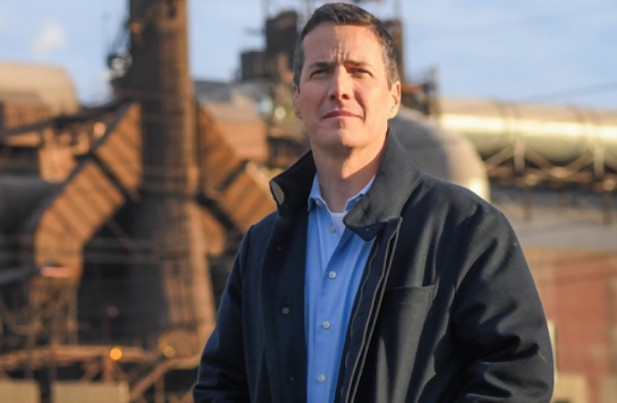

Photo credit: Ohio Star

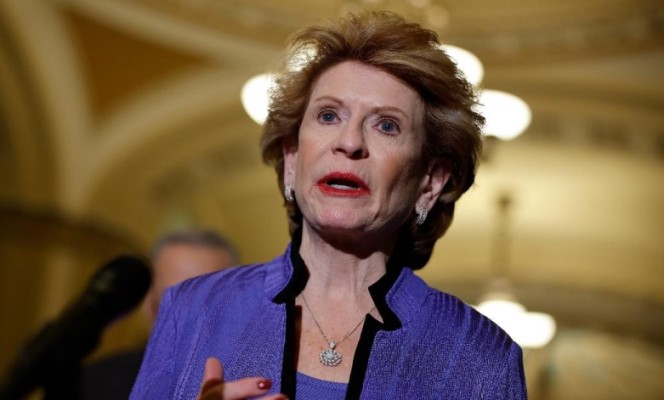
The 2024 Republican nominee, Bernie Moreno, is unacceptably conservative according to the wimpy wing of the Republican party, he has had some trouble raising money and seemed to be off the air for long periods in the summer while Brown was on the attack 24/7. Democrats flooded the state with oodles of cash and Brown has so far been able to outspend Moreno by the margin of $43 million to $11 million. After trailing the entire time, finally in September Moreno appears to be closing the gap in the polls, but has yet to be shown in the lead in any poll. Will "dark red" Ohio come through for Moreno, with Trump dragging him across the finish line?
We'll see.

Trump may have difficulty attaining the 8-point margin he received in Ohio in 2020, which means his coattails aren't going to be as long as might be hoped.


Photo credit: Market Realist

4. Michigan
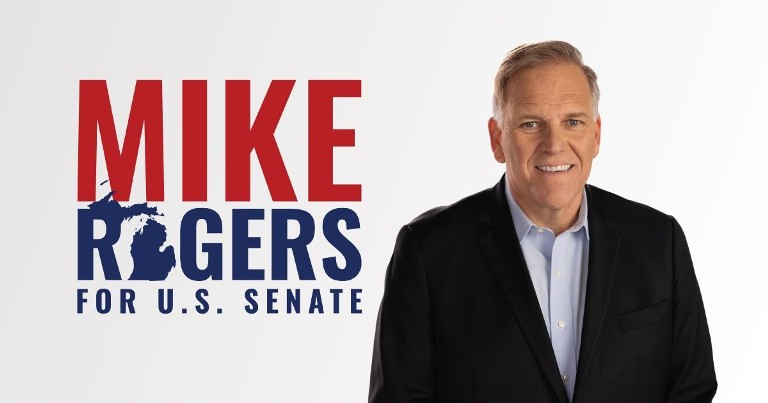
Retiring liberal Democrat incumbent Debbie Stabenow was first elected to Congress in 1996 when she unseated conservative freshman Republican Dick Chrysler in Michigan's 8th congressional district. At the time that district was rated as "even" although it included all of Ingham County (Lansing) and a heavily-Democrat suburban portion of Genesee County (Flint). The presence of suburban Livingston County helped balance out the bad areas of the district, and Chrysler had won in the glorious year of 1994 because of Livingston alone (he very narrowly lost the rest of the district).

As you will see, there has been a cozy relationship between this Senate seat and that particular congressional district ever since.

Stabenow moved up to the Senate in 2000, failing to win a majority of the vote but still defeating incumbent one-termer Spencer Abraham. Abraham's win in 1994 was the last time a Republican was elected to the U.S. Senate from the state of Michigan, and Stabenow was re-elected with relative ease in 2006, 2012 and 2018, all of which were anti-GOP years. Like nearly all Democrats in elections which are even slightly contested by Republicans, Stabenow was able to outspend her GOP opponents each time by considerable margins.


Photo credit: Rogers for Senate

Stabenow's replacement in the 8th congressional district in 2000 was Republican Mike Rogers -- the same guy who is now trying to replace her in the Senate in 2024. Rogers, who was at the time a Michigan state senator, defeated fellow state senator Dianne Byrum in 2000 by just 160 votes out of nearly 300,000. Rogers campaigned as a moderate and was even able to obtain some endorsements from Democrat politicians.
Rogers' voting record in the House was a shade to the right of "moderate" for most of his 14-year career, which ended when he chose not to run for re-election to an 8th term in 2014. The 8th district was moved to the right in the 2001 redistricting, perhaps emboldening Rogers to show a little more backbone in his congressional voting. Or maybe it forced him to move a little to the right, lest he be vulnerable to a conservative challenge in a primary election.

The district's partisan composition notwithstanding, Rogers anticipated that he would never face the voters again and therefore he dropped the charade and lurched to the left in his final term. He announced his retirement in March of 2014, and pointedly declined to endorse a conservative Republican state legislator as his successor (claiming that the guy might "embarrass" the district) and opted instead to back the more moderate Mike Bishop.

After two terms in the House, Bishop was sent packing in the anti-Trump referendum election of 2018. Bishop's ultra-liberal Democrat opponent and her party were able to spend a whopping $7.5 million to purchase that House seat -- and that doesn't even include the $5.5 million which was accumulated on her behalf by "independent" groups.

Who was that extremely well-funded Democrat?


Photo credit: CNN

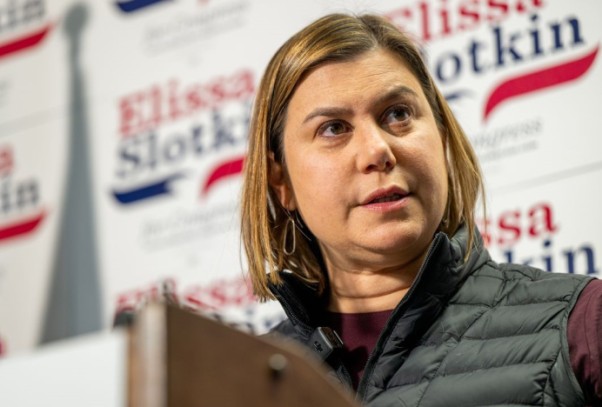
It was Elissa Slotkin -- the "former" Deep State operative who is now the Democrat nominee for the 2024 Senate race against Mike Rogers.
Financially, it's the same story as in all other swing states this year: the Democrat has raised and spent far more money than the Republican. As of two months ago, which is the latest available data at this time, Slotkin has raised $24 million to $5 million for Rogers; she has spent $15 million while Rogers has forked out less than $3 million.

You don't have to be in some Michigan media market to understand that voters are being influenced by non-stop Democrat ads, while Rogers probably has his hands full just playing defense and trying to fight off the attacks. Rogers has done well to stay within the margin of error (but always on the losing side) in the polls. A poll which was released on September 13 showed him down by 3 points, which is his high-water mark over the last several months.

Can Rogers break the 30-year iron grip which liberal Democrats have had on Michigan's pair of Senate seats? The probability of that happening is still less than 50%, but his chances seem to be improving at this time.


Photo credit: Lancaster Online

5. Pennsylvania

Current senator Bob Casey, Jr. is dumber than a chimp (or even Kamala Harris). But unfortunately so are a slim majority of PA voters, as has been consistently demonstrated in recent years with the exception of the 2016 presidential election, when Democrat overconfidence led to a (relative) lack of fraud on their part, and Trump was able to win the Keystone State by a fraction of a percent.

Part of that slim majority of ignorant PA voters consists of Gullible Geezers who tend to believe whatever lies ("Republicans are going to ELIMINATE your Social Security and Medicare! For real this time!") the liberal media continually spouts on behalf of their party.

PA is a fairly elderly state, with a percentage of over-65s (18.8%) that is nearly as high as Florida's (20.3%). When they see the name "Casey" on a ballot, some portion of Pennsylvania geezer-dom undoubtedly believes that it is Bob Casey SENIOR they are voting for. Senior was a much-beloved Governor in the 1980s and 90s who became famous nationally when he was prohibited from speaking at the 1992 Democrat National Convention due to his outspoken anti-abortionist position. Senior was totally in line with liberal Democrat orthodoxy on every other issue, however.


Photo credit: Dave McCormick PA

Casey's (the Junior one) challenger this year is Dave McCormick. McCormick spent lavishly of his own money in the 2022 Republican primary vs. "Electable" Dr. Oz, but lost by less than 1,000 votes out of 1.34 million which were cast. McCormick graciously conceded and now has returned for another shot at the Senate -- this time with the GOP field cleared for him; no more dealing with pesky moderate dilettantes like Oz or staunch conservatives like Kathy Barnette. McCormick is again funding a large part ($4 million as of late June) of his own campaign and, aside from a recent left-biased outlier poll from CBS, appears to be inching closer to a possible -- but still unlikely -- upset.

Casey is now in his 18th Senate year, and has voted the liberal position 94% of the time during his tenure. He has been a reliable supporter of the Biden-Harris agenda and marches out of lockup on only the rarest and most unimportant of occasions. McCormick is a wealthy moderate businessman -- the kind of candidate the GOP establishment absolutely adores. Wealthy businessguys often lack icky conservatism and they have the ability to waste spend lots of money on their own behalf. It could be argued that a true conservative would have little chance of being elected statewide in Pennsylvania, and a nominal conservative like Pat Toomey or Rick Santorum is the best we can do.

Should McCormick somehow pull off the upset, his voting record in the Senate would likely be a little to the left of Toomey-Santorum though nowhere near (hopefully) as lunatic leftist as ex-Republican Senator Arlen "Judas" Specter, who went out in a blaze of bitterness back in 2010. Anything even close to Toomey-Santorum territory would be a tremendous improvement over the Casey pup in the empty suit.

PA may be 51% Democrat at the ballot box, but it deserves better than a pair of 100% liberal Senators; one is quite enough.


Other states which could have close Senate elections:

  • Democrats are desperately wishing for major upsets of Republican Senate incumbents in Florida and Texas; there are no other GOP-held Senate seats which are even close to being in play. Republicans are desperately hoping for major upsets in Arizona, Nevada, Wisconsin or Maryland. The probability is that none of the above will happen, although the loss of Florida or Texas for the GOP has a greater chance of occurring than pickups elsewhere.
  • GOP candidates are particularly floundering in the southwest (AZ, NV) and Ted Cruz is underperforming in Texas. We've already written in great detail about how Texas is absolutely not the solid "red" state that it might have been a few years ago, and people have quickly forgotten how marginal Florida is capable of being; 2018 wasn't all that long ago.
  • Even after Governor Ron DeSantis' successful election integrity measures which targeted shady Democrat election officials in places such as Broward County and Palm Beach County, Florida can still be finicky and Rick Scott may not be taking this Senate race as seriously as he should. Scott has raised a handsome sum of money, but he may have shot his wad too early -- the femiNazi running against Scott actually has more cash on hand as of the end of July. She is also a lot closer to Scott in the polls than she should be.

    Debbie Mucarsel Hyphen Powell isn't right on Scott's tail because of anything desirable or positive on her end; she may as well be listed on the ballot simply as "Not Rick Scott". Scott is the "Jon Tester" of Florida -- he has won three elections and only once has he cleared 50% (he received 50.1% in 2018). He is not popular and never has been; he has been just barely popular enough in the past.
  • Only one outlier poll has showed the Republican within true striking distance in Wisconsin. In Maryland, although Larry Hogan is keeping it somewhat close against his affirmative-action opponent, Hogan seems less interested in winning a Senate seat than he does in using his campaign as a vehicle for virtue-signaling and Trump-hating.

    Perhaps Maryland's version of Chris Christie is trying to position himself as a GOP presidential candidate for 2028? Or maybe he's looking to be the Democrat nominee? Either way, Hogan's not winning anything in 2024 absent divine intervention. He's going to get beat down hard in the Baltimore-D.C. corridor.


Conclusion:

The most likely scenario is that the Republicans will have a net gain of 1 or 2 seats in the Senate. If they win West Virginia and Montana but nothing more, and do not lose Florida or Texas, that will be a pretty good election night at the Senate level. But we'll still have people wailing and being bitterly disappointed in positive developments -- just like they were in 2022 -- because their greedy expectation of "muh red wayve" didn't come true and Santa didn't leave everything they wished for under the Christmas tree.

Tags:

2024 Senate Montana Ohio Michigan Pennsylvania


1/18/2024: [Michigan] Former GOP Congressman Justin Amash explores joining crowded Michigan Senate field [Fox News]


Photo credit: Getty

Amash started off in Congress well enough, building conservative credentials with his voting record and enhancing that "cred" by being kicked off of GOP committees in 2012 along with Kansas representative Tim Huelskamp and David Schweikert of Arizona. All three were ousted for being too far to the right to suit many of their more-powerful Republican colleagues, including milquetoast John Boehner who was Speaker at the time.

Schweikert is still in Congress -- at least for the rest of this year. He represents a very marginal and deteriorating district in the Phoenix suburbs, barely won in 2022, and Democrats are spending big to defeat him in November. They have a significant probability of doing exactly that.

Huelskamp proved to be such an irritant to the Republican leadership (he once attempted to unseat Crybaby Boehner from the speakership and replace him with Jim Jordan) that he was successfully targeted -- by Boehner and other members of his own party -- for elimination in the 2016 primary. Roger Marshall, who defeated Huelskamp in that western Kansas primary to the delight of the GOPe, has gone on to parlay his squishiness into a Senate career.

Wikipedia notes with approval that "Amash received national attention when he became the first Republican congressman to call for the impeachment of Donald Trump, a position he maintained after leaving the party". Amash abandoned the Republicans in 2019 to become a so-called independent, then flitted over to the Libertarian party before leaving Congress. Now he wants to be welcomed back into the GOP as their standard-bearer in a losing Senate election.

Amash is a gadfly who doesn't know what the hell he is or what he wants to be. Well, he knows he wants to be a senator all of a sudden but he isn't going to get that prize. And he knows he hates Israel, which really isn't sufficient to base a Senate campaign on although it might get him votes in Dearborn-istan.

He's just a charlatan who misses the attention and the payday he got when he was a self-important congressman -- especially the media adulation he received after he made clear how much of a "maverick" he is and how he hated President Trump enough to leave Trump's party and even to leave Congress. So now he's a darling of the media and others on the left, claiming to be a "principled conservative" though he is actually neither of those things.


It's true that the current GOP field for Senate in Michigan (defeated ex-Congressmen Peter Meijer and Mike Rogers and a bunch of other hopeless losers) is woeful -- aside from police chief James Craig, who we trust is not as clueless as he was in 2022 when he naively allowed Democrat operatives in disguise to deliberately gather invalid signatures for him, and was thus disqualified. After the primary Craig would be at least a 5-point underdog no matter what some recent polls have suggested. Nonetheless he remains the best option for this unlikely but still possible Senate pickup.

Amash sees a small opening and wants to capitalize.

He can get back that media adulation by torpedoing Craig and sabotaging efforts to erase the Democrat majority in the Senate. Craig may not be so easy to torpedo in the primary, what with Meijer (liberal) and Rogers (moderate) splitting the non-conservative vote. Amash is probably more likely to jump into this race as an independent than a Republican, though it would be interesting to watch GOP primary debates with Amash challenging Meijer about which of the two of them hates Donald Trump more.

Given the dangerous (as far as Amash is concerned) prospect of "President Trump" becoming a reality in 2025, an Amash campaign would attempt to stymie the possibility of Trump having a GOP-controlled Senate to work with should he somehow win, substituting instead a Rat-controlled Senate which would revive Trump's persecution where it left off. Some believe that the mass exodus of GOP incumbents from the House is being orchestrated for a similar purpose -- handing control to the opposition, just in case.

We'd much rather take our chances with Craig than Amash or any of the other pissants in the general election. The former Detroit police chief might be able to eke out a vote or two in the Detroit ghetto precincts, get within the margin of vote fraud statewide, and at least make the Rats sweat a little before their probable late-election-night-vote-dump victory here in November.

Tags:

Michigan 2024 Senate James Craig Yes Justin Amash No


7/3/2023: Senate rankings: five seats most likely to flip [The Hill]


Photo credit: Matt York, Associated Press

"The Hill", of all sources, contends that every one of the five most allegedly endangered Senate seats up in 2024 are currently held by Democrats! The five are: West Virginia, Montana, Ohio, Arizona and Wisconsin. We know that's hardly wishful thinking on the part of that leftist site, but are these pickups actually realistic or is this just a lot of crocodile tears to go with the veiled warning to Democrats to get busy doing whatever is necessary (wink, wink) to keep those seats, especially with Senate control at risk?

West Virginia: is supposed to be a slam-dunk pickup, perhaps with Joe "I've never lost an election in my life" Manchin deciding to keep his record intact by failing to run again and making the pickup a 100% certainty. The GOPe firmly supports moderate Governor Jim Justice and will do whatever it takes to prevent conservative Alex Mooney from getting the nomination. If Manchin really is as much of a "centrist" as some folks claim, the transition from Manchin to Justice in the Senate probably won't be very noticeable when it comes to their voting records.

Montana: The GOPe is rallying behind businessman Tim Sheehy, which probably tells you everything you need to know about this newcomer's politics. The question remains as to whether 2018 candidate and current congressman Matt Rosendale will enter the race. The Republicans lost Montana in 2018 for the same reason they lost West Virginia -- their candidate was attacked for the crime of not being born in the state (that plus some other Dirty Democrat Tricks, particularly in Montana). If Rosendale tries again in 2024 he'll do better than 2018, but he might be too conservative for his party's establishment.

Ohio: The GOP doesn't even appear to have a viable candidate. State Senator Matt Dolan is a liberal who got barely 20% of the vote in the 2022 Republican Senate primary, most of those votes coming from Democrats; Bernie Moreno is trying to paint himself as the MAGA candidate a la J.D. Vance, and will probably get a Trump endorsement if he can demonstrate a substantial lead in the polls. Ohio is not the solidly Republican state that the hopium addicts wish it was. For proof of that statement look no further than Sherrod Brown's past electoral successes, including 2018 when we were assured that Brown was toast because Trump won Ohio in 2016. Oops.

Arizona: Republicans can always count on a fair election in Arizona of course (LOL) but even if that really was the case their only hope here is for a 3-way race between the slimy "independent" incumbent (Sinema) a really slimy Democrat congressman (Gallego) and whoever the GOP nominates; that way the Republican could win with merely a plurality of the vote, and a plurality is probably the best they can do in this state these days. Some believe that Kari Lake will be back for a repeat of 2022. She was too good to be allowed to win then, and the same applies now. Whether it takes threats, bribes or both, Independent Sinema may not even choose to run for re-election, clearing the field for the Democrat nominee to very likely prevail next November.

Wisconsin: Rebecca Kleefisch, who would probably be Governor right now if it weren't for Trump's misguided and ineffectual endorsement of proven loser Tim Michels in 2022, would be a very good candidate and former Milwaukee County sheriff David Clarke would be good as well. Unfortunately, the GOPe is far more interested in millionaire candidates who will spend their own funds and not waste the apparently limited amount of cash the party has to throw around this cycle ("Pleez send us munney!"). Better still for the GOPe, the typical millionaire-type candidate often tends to be a squish although in this case Wisconsin venture capitalist Eric Hovde is described as a "conservative activist", at least by those on the left who hate him. So maybe he's not bad, but any Republican starts off as a clear underdog here.


Other possibilities, but don't hold your breath: There's Michigan, where incumbent liberal Debbie Stabenow is retiring in 2024 and will likely be replaced by well-funded liberal congresswoman Elissa Slotkin. There are a lot of GOP possibles to take her on, but none of them are serious threats to win. Except perhaps former Detroit police chief James Craig, who tried to run for Governor in 2022 but made the rookie mistake of having Democrat operatives in disguise gather signatures for him, which were deliberately falsified and Craig was kicked off the primary ballot at the last minute, leaving nothing but a field of underfunded and outclassed twerps on the Republican side. Hopefully he'll be smarter this time around.

Then there's Nevada, where the current Democrat Senator barely got 50% in 2018 against former Republican incumbent Dean Heller, who ran screaming to the left in a failed effort to keep that seat. The string-pullers on rare occasions allow the GOP to win a close election in Nevada (e.g. 2022 Governor) when the Republican candidate is acceptable to the left. If Sam Brown or Jim Marchant becomes the Senate nominee: (a) either one would make a great Senator, therefore (b) that is not going to be one of the few times the puppetmasters will allow the Republicans to win a statewide general election in Nevada although the result would likely be close. The GOP could simply nominate an eternal loser such as Adam Laxalt or Danny Tarkanian again, at least that would remove any suspense regarding the outcome.

Tags:

Senate 2024 West Virginia Slam dunk Montana Ohio Arizona Wisconsin Wishful thinking Michigan Nevada


8/1/2022: [Michigan] Moderate GOP Rep. Peter Meijer Trashes Dems for Bankrolling His MAGA Foe in Scathing Op-Ed: Selling Out 'Any Pretense of Principle' [MSN]

The article claims that "Democrats have been financially backing MAGA GOP candidates this primary cycle in order to have a better shot at beating them ahead of an expected Republican wave in November." In this case, that assertion smells like bullshit. As of July 13 Gibbs had less than $150,000 cash on hand and Meijer had about 6x as much. Those must be some pretty stingy Democrat contributors.

Two facts:

1. If (more likely when) Gibbs defeats Meijer on Tuesday, he really better count on Democrats for further funding because the petulant spiteful RNC sure ain't gonna come across. They would much rather lose this seat than support a conservative who just slaughtered one of their pet RINOs.

2. This district was moved a few notches to the left in redistricting so now any Republican starts off as the underdog in a general election. Especially when the ultra-liberal Democrat in the race has all the money in the world to campaign with and doesn't even have to spend a dime of it in the primary because she's unopposed.

The district is not so far left that a Republican can't possibly win, and money alone doesn't always determine the outcome of a race, but when the imbalance is as massive as this one will be it's going to take a substantial blue wave to pull off the upset here.

Tags:

U.S. House Michigan 2022 Silver-spoon RINO Peter Meijer Going down


7/27/2022: [Michigan] GOP's Meijer voted to impeach Trump. Now Democrats are helping his Trump-backed GOP primary opponent [Washington Post]

Even better, true conservatives are supporting Gibbs too. The liberals and RINOs are both hoping that Gibbs will lose in November against the ultra-liberal and very well-funded Rat. The redistricting process also worked against Republicans here, as this district which encompasses the rapidly-deteriorating Grand Rapids area was shifted several points to the left and now favors Democrats.

Even so, at least one poll shows that Gibbs would fare much better than the spoiled little rich boy who voted for impeachment. However this will take money, and Gibbs doesn't have a family fortune to fall back on, nor can he count on funding from big-$$$$ RINO GOP donors after he wins the primary next week.

Gibbs is going to be outspent heavily while his opponent gets 24/7 free support from the media. Despite all that, he can and will win if RINO voters in his district are able to suppress their disgust at one of their own kind losing his primary. We're told by the GOP establishment (when it suits them) that party unity in general elections is of paramount importance. Let's see how well they prove it in this case.

Tags:

U.S. House Michigan 2022 RINO backstabber Loser